
High blood pressure is one of the most common conditions I treat, and one of the most important. It usually causes no symptoms at all. People feel fine for years while it quietly damages the arteries, heart, kidneys, and brain. By the time something goes wrong, it’s often a heart attack, a stroke, or kidney disease that can’t be undone.
The good news is that high blood pressure is also one of the most treatable conditions in medicine. Getting it under control is among the highest-value things you and your doctor can do together.
Why blood pressure matters
Every time your heart beats, it pushes blood against the walls of your arteries. When that pressure stays high, the arteries stiffen and narrow, and the heart has to work harder. Over time, uncontrolled blood pressure raises your risk of:
- Heart attack and heart failure
- Stroke
- Chronic kidney disease
- Atrial fibrillation
- Vision loss
- Dementia. The 2025 American Heart Association and American College of Cardiology guideline highlights high blood pressure as a modifiable risk factor for cognitive decline. Controlling your blood pressure in your 40s, 50s, and 60s is one of the few proven ways to protect your brain later in life.
Nearly half of American adults have high blood pressure, and many don’t know it.
What the numbers mean in 2025 and beyond
Blood pressure is written as two numbers: systolic (the top number, the pressure when the heart beats) over diastolic (the bottom number, the pressure between beats).
| Category | Reading |
|---|---|
| Normal | Below 120/80 |
| Elevated | 120 to 129 systolic and below 80 diastolic |
| Stage 1 hypertension | 130 to 139 systolic or 80 to 89 diastolic |
| Stage 2 hypertension | 140/90 or higher |
The 2025 guideline sets a treatment target of below 130/80 for most adults. It also changed how we decide when to start medication. We now use a newer risk calculator called PREVENT, which estimates your 10-year risk of heart disease and stroke more accurately than the older tools did.
- If you’re in stage 1 and your risk is lower, we usually start with 3 to 6 months of focused lifestyle changes before adding medication.
- If your risk is higher, or your readings are in stage 2, medication and lifestyle changes typically start together.
Your readings at home often matter more than the one in the office
A single reading in the exam room isn’t always reliable. Some people run high only at the doctor’s office (“white coat” hypertension). Others are normal in the office and high at home (“masked” hypertension), which is arguably more dangerous because it’s easy to miss.
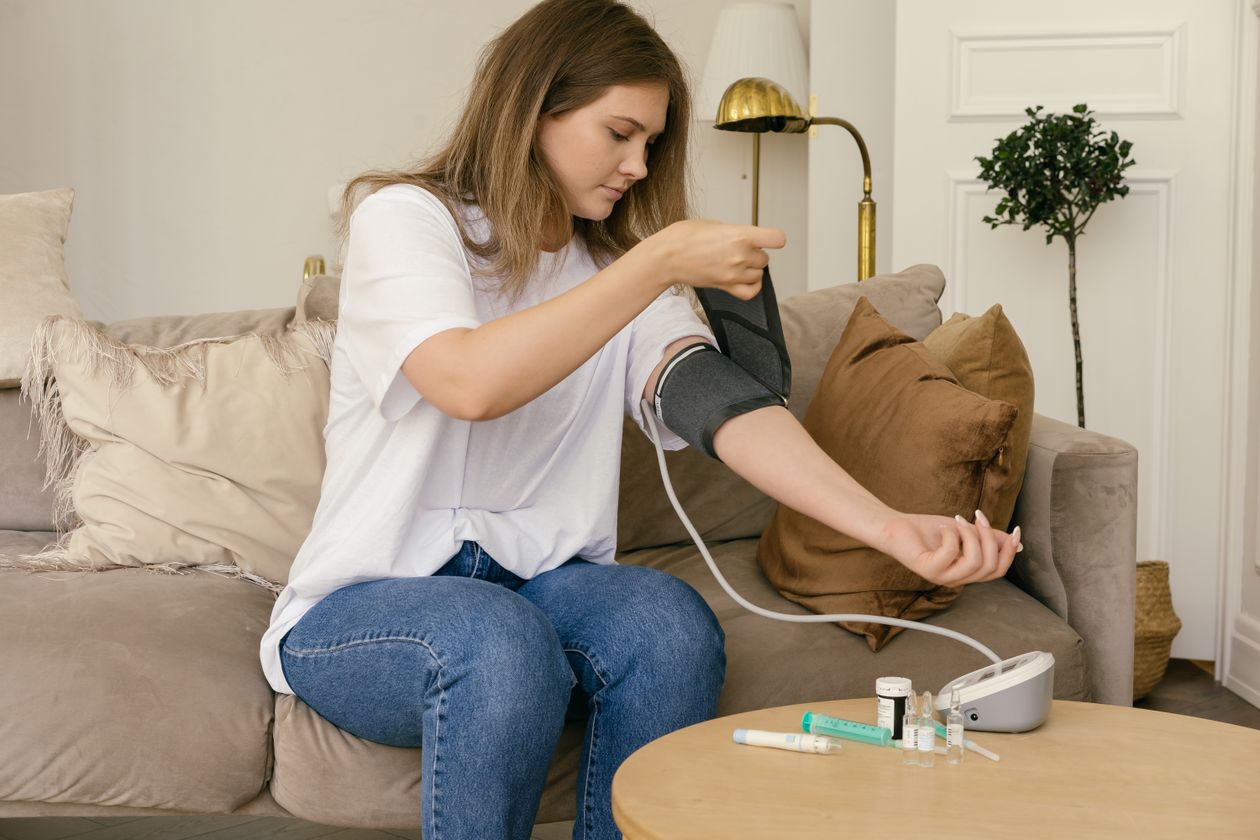
That’s why I rely heavily on home blood pressure monitoring. For accurate readings:
- Use a validated upper-arm cuff (not a wrist cuff or smartwatch).
- Sit quietly for 5 minutes with your back supported and feet flat on the floor.
- Rest your arm on a table at heart level.
- Avoid caffeine, exercise, and tobacco for 30 minutes beforehand.
- Take two readings a minute apart, morning and evening, for about a week before a visit.
For many of our patients, we go a step further with remote patient monitoring. A connected cuff sends your readings to our office automatically, so we can adjust treatment between visits instead of waiting months. You can read more about it in our post on remote patient monitoring.
Blood pressure care in Spokane
Not sure what your numbers mean?
Bring a week of home readings to your visit. We’ll review them together, estimate your overall heart risk, and agree on a plan that fits your life.
Prefer to talk first? Call (509) 426-5425
How we treat high blood pressure
Lifestyle changes come first, and they’re not a consolation prize. Changes that have real effects on blood pressure include:
- Cutting sodium and eating more potassium-rich foods (vegetables, fruits, beans), unless you have kidney disease
- Losing weight if you’re carrying extra. Even 5 to 10% of body weight can make a meaningful difference.
- Regular physical activity, both aerobic and strength training
- Reducing or eliminating alcohol
- Treating sleep apnea, which is a common and often overlooked cause of hard-to-control blood pressure

Medications are safe, inexpensive, and effective. Most people who need medication do well on one or two well-established drugs, often combined in a single pill. My goal is to reach your target with the fewest side effects and the simplest regimen possible.
We look for underlying causes. If your blood pressure is severe, starts at a young age, or doesn’t respond to standard treatment, I’ll check for secondary causes such as kidney disease, hormonal problems (for example, primary aldosteronism), medications, and sleep apnea.
Blood pressure is one part of your heart risk
I don’t treat blood pressure in isolation. Cholesterol, blood sugar, weight, kidney function, smoking, and family history all add up to your overall cardiovascular risk. At Aristos, we look at the whole picture and focus on the changes that will do the most good for you. Learn more on our hypertension and cardiovascular risk management page, and read our post on why cholesterol management is important.
Blood pressure care in Spokane, in person or virtually

Much of blood pressure care works well by virtual visit, especially follow-ups where we review your home readings and adjust medications. You won’t need to drive across Spokane for a 10-minute medication change. When a physical exam or labs are needed, we’ll see you in person at our North Spokane office. For video visits, you need to be physically located in Washington State at the time of the visit.
If you’ve been told your blood pressure is “a little high,” or you haven’t had it checked in a while, now is the time. Schedule an appointment online or call us at (509) 426-5425.
Dr. Kyle Varner is board certified in Internal Medicine and Obesity Medicine and is the founder of Aristos Internal Medicine in Spokane, Washington. This article is for general education and is not a substitute for personal medical advice.
Sources
- American College of Cardiology. New High Blood Pressure Guideline Emphasizes Prevention, Early Treatment to Reduce CVD Risk. August 2025.
- Centers for Disease Control and Prevention. High Blood Pressure Facts.
- American Medical Association. US Blood Pressure Validated Device Listing.
- Featured image: photo by Yaroslav Shuraev on Pexels.
Aristos Internal Medicine is a member of Privia Medical Group. Dr. Kyle Varner, MD, is licensed to provide care in Washington State. Individual results vary, and any treatment, including medication, is offered only after an evaluation shows it is medically appropriate.
If you are experiencing a medical emergency, call 911 or go to the nearest emergency room. This website is not for emergency communication.


